Let’s be honest. You’ve probably rented a machine from the grocery store. You’ve spent an afternoon wrestling with a hose, dumping in that blue solution, and ending up with a damp, vaguely cleaner-smelling carpet. Sound familiar? I did it too, for years. Then I started covering this industry. And the difference between that DIY slog and what a true pro does? It’s not even the same sport.
This blog isn’t about selling you a service. After eight years of talking to technicians, chemists, and homeowners, I just want to explain what’s actually happening when a crew shows up at your door. We’ll talk methods, myths, and what “eco-friendly” really means in this context. My goal’s simple: to give you the clear, direct info you need to make smart choices about your home.
What You’re Actually Cleaning (It’s Worse Than You Think)
Here’s the thing we don’t like to think about. Your carpet isn’t just a floor covering. It’s a three-dimensional filter. A 2021 study from a major indoor air quality institute estimated that a square foot of carpet can hold nearly a pound of dirt before it even looks dirty. That’s for a well-maintained one. And your sofa? It’s a catch-all for skin cells, food particles, and all the microscopic life that finds them delicious.
Point being, surface vacuuming grabs maybe the top 15%. The rest is packed down deep in the pile, the backing, the padding. That’s where odors live. That’s where allergens throw parties. A pro job isn’t about the spot you can see—it’s about the ecosystem you can’t.
The Two Big Guns: Hot Water Extraction vs. Dry Cleaning
Most reputable companies offer a couple of core methods. The names sound straightforward, but there’s a ton of confusion here. Let’s clear it up.
Hot Water Extraction (The “Steam Clean” Misnomer)
First, a pet peeve. Almost no one uses actual steam. What they’re using is very hot water—usually between 150°F and 210°F—mixed with a cleaning solution and injected deep into the fibers. Then, a powerful vacuum immediately sucks it back out. This is the gold standard for deeply soiled carpets and heavily used upholstery.
The catch? It uses water. A lot of it. That’s why drying time is the critical factor. A good technician will leave you with carpets that are damp, not soaked, and they should be walkable in a few hours and fully dry in 6-12. If someone leaves your carpets wet for days, they did it wrong. Full stop.
Dry Cleaning (It’s Not Just for Suits)
This is where things get interesting. Dry cleaning for fabrics uses a chemical solvent. For carpets and upholstery, it usually refers to a compound—often a moist, absorbent powder or a very low-moisture foam—that’s worked into the material. It encapsulates dirt, then is vacuumed away. The huge advantage? Drying time is often under two hours.
So why doesn’t everyone use it? Well, it’s fantastic for maintenance cleaning and delicate fabrics like silks or some antique rugs. But for a carpet that’s seen a decade of kid and dog traffic, it might not have the sheer power of a deep hot water extraction. Your mileage may vary, and a good pro will tell you which is right for your situation.
Honestly, the biggest mistake homeowners make is choosing a method based on price or a sales pitch, not on the actual condition of their stuff. A 5-minute assessment beats a 30-minute ad every time.
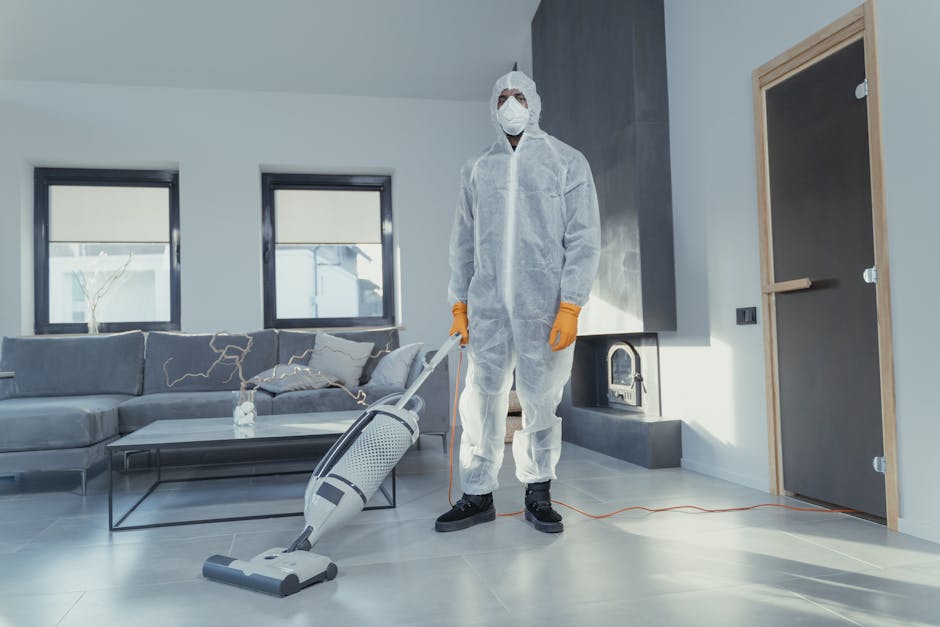
Beyond the Carpet: Your Whole Soft Furnishing World
We fixate on carpets. But your upholstery and curtains are working just as hard. Think about it: you spend a third of your life on your mattress. A 2023 survey by a home wellness group found that roughly 4 in 10 people had never had their sofa professionally cleaned. Not once.
Mattress cleaning is a game-changer for allergy sufferers. It’s not about stains; it’s about dust mites and their, ahem, byproducts. Curtains hold onto cooking oils and outdoor pollutants. A comprehensive service doesn’t just clean your floor—it tackles the entire fabric environment of your home. That’s how you truly “bring fresh back.”
The Stain and Odor Removal Deep Dive
Here’s where the magic—and the science—really happens. Spot treatment isn’t one-size-fits-all. Protein-based stains (blood, milk, vomit) need an enzyme digester. Tannin stains (red wine, coffee) need a specific acidic treatment. Oil-based stains are another beast entirely.
A pro carries a formulary of chemicals, not just one bottle of miracle spray. They’ll identify, test in an inconspicuous spot, and apply the right agent. And odor removal? It’s almost never about masking. It’s about oxidation or neutralization at the molecular level. That pet urine smell that keeps coming back? That’s because it’s in the pad, the subfloor. A surface clean won’t touch it.
Eco-Friendly, Fast Drying, and Other Buzzwords Explained
Let’s get real about marketing terms. “Eco-friendly products” should mean solutions that are readily biodegradable, low in volatile organic compounds (VOCs), and safe for pets and kids once dry. But here’s my slightly opinionated take: the method is often more important than the solution. Using 50 gallons of a “green” soap and leaving your carpet wet for a week isn’t eco-friendly. It’s a mold risk.
True environmental responsibility here is about efficiency: using the minimum effective amount of a safe product, extracting the maximum amount of soil and moisture, and ensuring a fast dry to prevent microbial growth. Ask what’s in the cleaner, sure. But also ask about their water recovery rate and expected dry times.
What to Expect When You Hire a Pro
So you’ve decided to call someone. What does a good visit look like? First, a walk-through and a clear explanation of the process and the cost. They should move your furniture (light items, at least). They should pre-vacuum thoroughly—this is non-negotiable. The actual cleaning is surprisingly methodical, not rushed.
Afterward, they might place protective pads under furniture legs and give you clear drying instructions. You shouldn’t see massive amounts of leftover foam or residue. And you should notice a difference in the air, not just the look. That’s the deep clean.
The bottom line? Professional cleaning is an investment in your home’s health and longevity. It’s not a luxury, it’s maintenance. Like changing the oil in your car. You can skip it, but things will start to grind down a lot faster. Understanding the how and the why just helps you know what you’re paying for—and makes sure you get the real deal.
A Few Quick, Honest Answers
How often should I really get this done?
Every 12-18 months for an average home with light traffic. With kids or pets, bump that to every 6-12 months. It’s not just about dirt, it’s about wear. Grit acts like sandpaper on fibers.
Is it worth it for old carpets?
Sometimes, yes. A cleaning can revive a carpet you thought was done for. But if the backing is brittle or the fibers are worn down to the nub, no amount of cleaning will bring it back. A good pro will tell you if it’s past saving.
Can cleaning cause mold?
It shouldn’t. Not if it’s done correctly with proper extraction and airflow. The mold was probably already there, dormant, fed by chronic dampness or a past spill. The cleaning just revealed it.
What’s the one question I should ask a company?
“What’s your moisture retention percentage?” Okay, that’s technical. Try this: “How wet will my carpets be when you leave, and how long until they’re completely dry?” Vague answers are a red flag.